
How a revolutionary growing system is delivering premium Florida grapefruit and new opportunities for retailers in the 2026–27 season
Florida’s Fresh Citrus industry is entering an exciting new chapter fueled by innovation, renewed optimism, and a commitment to delivering the premium eating experience consumers expect.
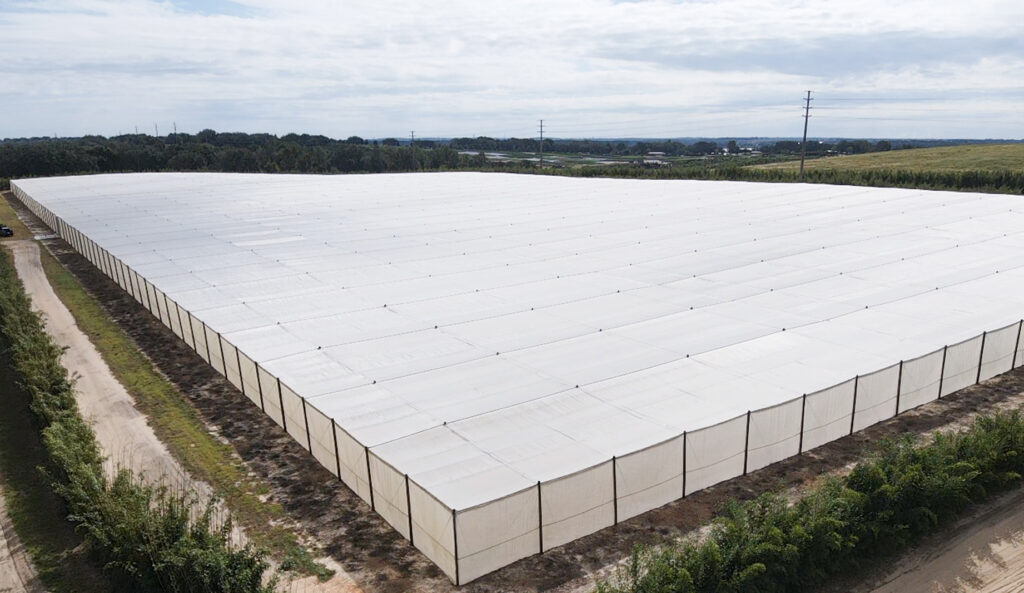
Across Central Florida, growers are cultivating hundreds of acres of grapefruit beneath sweeping canopies of fine protective mesh that tower high above the citrus trees. Known as Citrus Under Protective Screen (CUPS), this production system is proving that technology, not simply time, may be the catalyst for rebuilding the premium Florida fresh citrus category.
For supermarket retailers planning produce programs for the September 2026 through June 2027 season, CUPS represents more than an agricultural innovation. It offers something increasingly valuable in today’s produce department: greater supply predictability, exceptional eating quality, and a compelling consumer story centered on American-grown innovation. Just as importantly, that premium eating experience and taste gives retailers an opportunity to build consumer demand for Florida Grapefruit.
Solving Florida Citrus’ Biggest Challenge
The industry’s recent history makes this progress even more significant. For much of the past two decades, Huanglongbing (HLB), better known as citrus greening disease, has reduced production, challenged growers, and created greater uncertainty in the marketplace.
CUPS takes a different approach to the disease. Rather than trying to cure infected trees, researchers at the University of Florida and innovative growers explored a different solution: prevent the insect from reaching the trees in the first place.
Using specialized 40- to 50-mesh screening, CUPS structures physically exclude the psyllid while allowing sunlight and air movement necessary for commercial citrus production. The result is a growing environment where trees remain free of HLB while still producing fruit under Florida’s ideal climate.
While the concept may sound simple, its impact has been transformational.
Perhaps the most compelling aspect of CUPS is how it complements grapefruit grown using traditional methods, contributing to a commercial crop from Florida that delivers the taste and quality consumers want, with the reliability and marketability that retailers need. The combination creates an opportunity to put more premium Florida Grapefruit on shelves and build demand by giving shoppers an eating experience that will inspire them to buy Florida Grapefruit again.
Building Retail Supply and Demand
Retail produce executives consistently cite dependable supply as one of the most important considerations when planning seasonal promotions.
After years of production uncertainty, Florida’s 2025–26 season provided encouraging evidence that the industry is stabilizing. USDA final estimates exceeded initial forecasts for both oranges and grapefruit, with grapefruit production finishing above expectations. Industry leaders point to expanding CUPS acreage as an important contributor to future fresh-market growth, particularly for grapefruit.
For retailers, the significance extends beyond production numbers. Protected agriculture offers greater predictability, and consistency offers a competitive advantage.
While CUPS protects trees from the Asian citrus psyllid, the screen structures also reduce exposure to other insects, wind damage, and certain weather events while enabling growers to manage water and nutrients with precision. During previous Florida freeze events, growers reported minimal damage inside CUPS structures because reduced wind speeds and targeted irrigation protected both trees and fruit.
For retailers, this means greater confidence in Florida grapefruit quality and consistency throughout the 26-27 season and beyond.
A Premium Story Consumers Can Understand
Today’s shoppers increasingly want to know not only where their food comes from, but how it is grown. CUPS provides retailers with a compelling merchandising narrative.
Unlike many agricultural technologies that remain invisible to consumers, protective screen production is easily understood. Shoppers can immediately appreciate the idea of fruit grown inside protective structures that naturally keep harmful insects away while enabling reduced reliance on pest management and more precise water and fertilizer use.
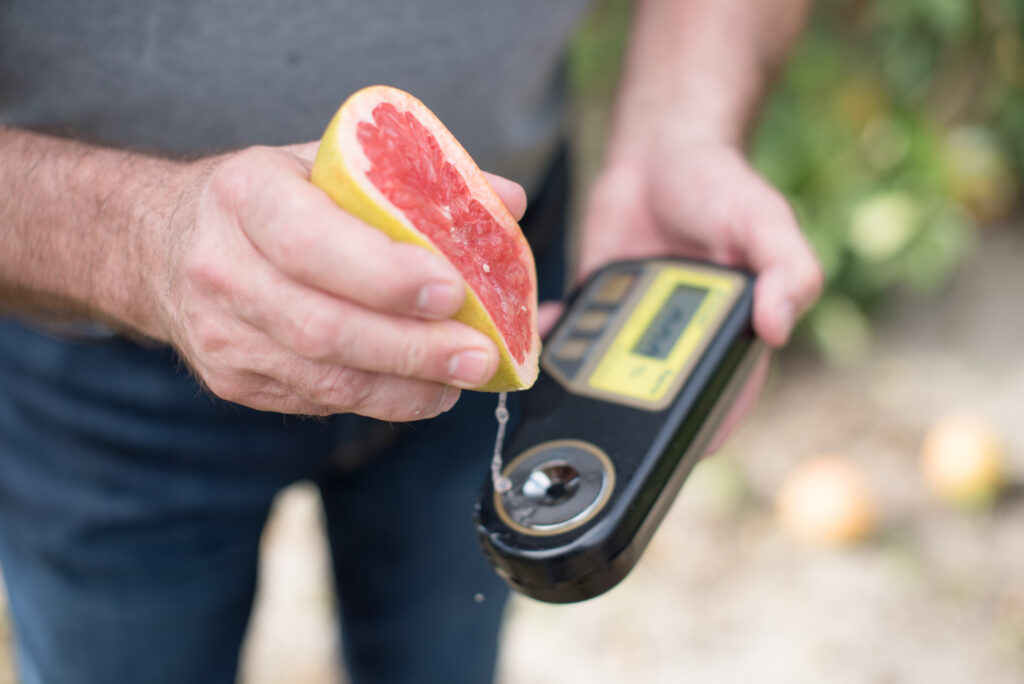
That story aligns with broader consumer interest in sustainability, food quality, and agricultural innovation. For retailers investing in premium produce assortments, Florida grapefruit grown under CUPS offers differentiation that goes beyond price. A great looking grapefruit may earn the first purchase, but a great eating experience and taste can bring shoppers back for more. That repeat purchase is critical to driving demand for the category, making exceptional taste one of CUPS’ strengths.
Why Grapefruit Deserves Special Attention
Among Florida Citrus varieties, grapefruit is especially well-suited to protected production.
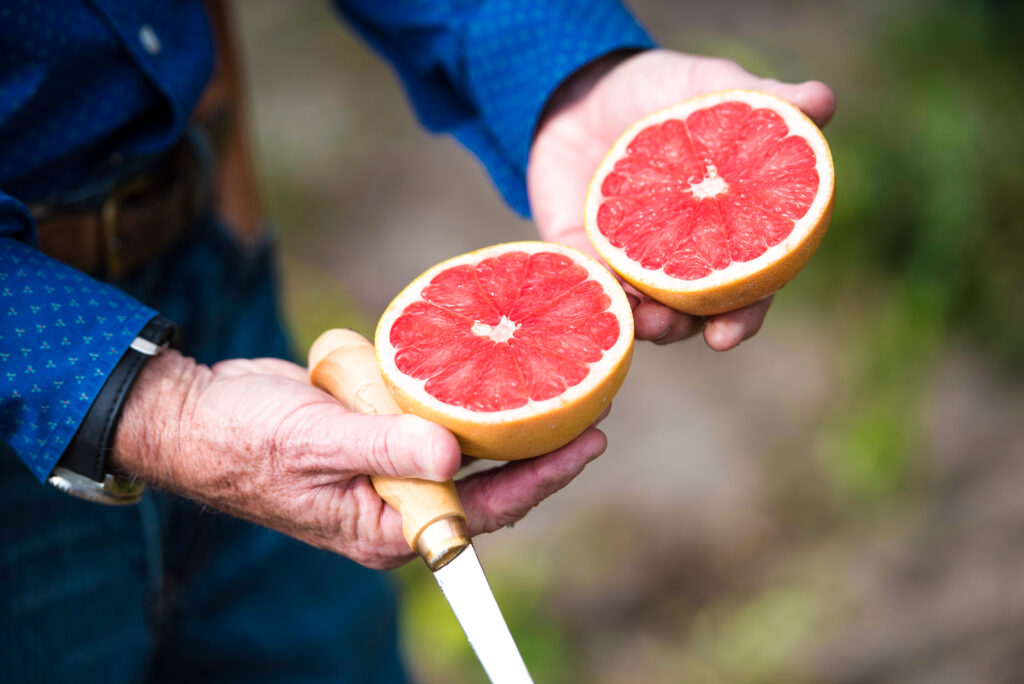
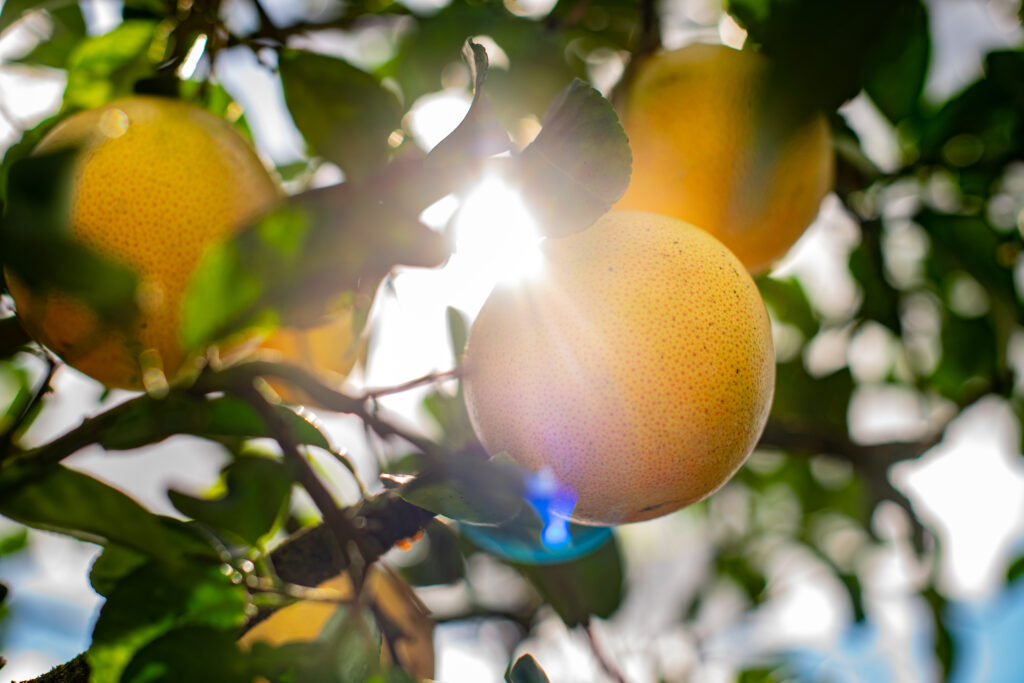
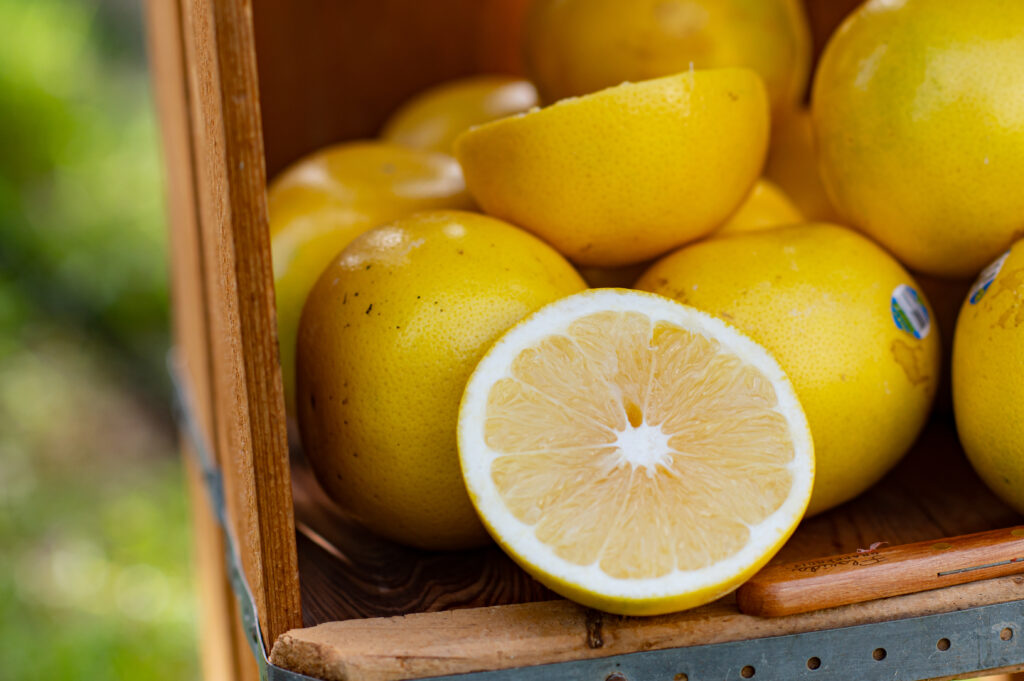
Growers report exceptional internal color, balanced sweetness, lower acidity, and premium external appearance, all attributes that support higher fresh-market value. Several leading producers have developed branded premium grapefruit programs specifically around fruit produced under CUPS, reflecting confidence in both eating quality and merchandising appeal.
For produce departments seeking destination items during fall, winter, and spring, premium Florida grapefruit presents an opportunity to elevate the category through taste and quality rather than promotion alone. By delivering an eating experience worth repeating, CUPS-grown grapefruit can help retailers turn grapefruit trial into repeat purchase and build long-term category growth.
Looking Ahead to 2026–27
While CUPS is not designed to address every challenge that citrus growers face, it provides an important tool for supporting the industry’s future.
It’s no secret that the initial investment in CUPS is significant, and protected production requires specialized management. Yet the early commercial results demonstrate that innovation can fundamentally reshape the economics of fresh citrus production while restoring confidence in Florida’s ability to supply premium fruit.
For grocery retailers, the takeaway is simple: Florida grapefruit is becoming a category to watch again.
As the 2026–27 Florida citrus season begins this fall, produce buyers and merchandising teams should expect to see higher volumes of premium-quality grapefruit produced under CUPS entering the marketplace.
After years in which disease defined the industry’s narrative, Florida growers are writing a new chapter, one built on technology, precision agriculture, and exceptional fruit quality.
For retailers committed to delivering distinctive produce experiences, that means a stronger Florida Grapefruit offering, a premium story to share with shoppers, an eating experience that stands out and can help build repeat demand, and a fresh reason to spotlight the category this season.